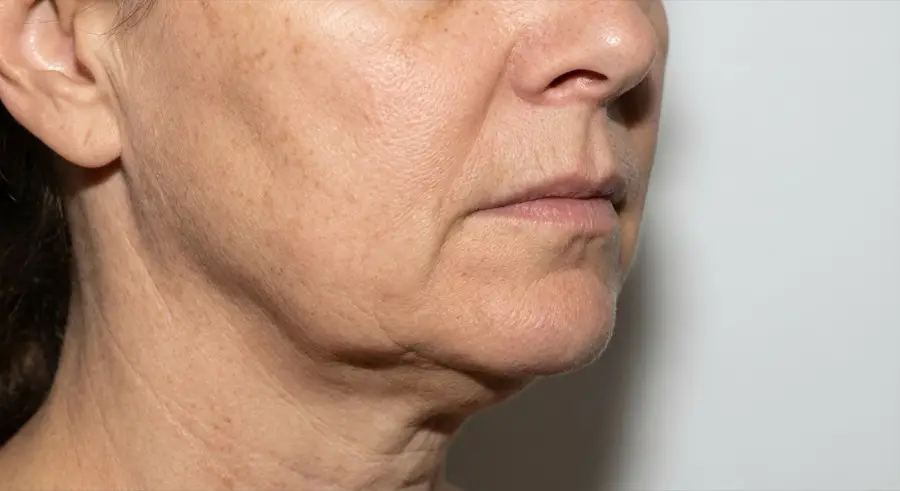
Safe skin tag removal KL at Imperial Clinic Ampang. Doctor-led treatment, quick procedure, minimal downtime. Book your consultation today.
At some point you probably noticed it by accident. Maybe your finger caught it while washing your face, or a necklace kept snagging on it, or you spotted it in a photo and couldn’t stop staring at it after that. A small, soft, fleshy little thing hanging off your skin that definitely wasn’t there a few years ago.
That’s a skin tag. And you’re not alone, they’re incredibly common and most people get at least one in their lifetime, usually somewhere around the neck, armpit, or eyelid area.
The good news is they’re completely harmless. Not a sign of anything serious, not something that turns into cancer, not contagious. They’re basically just extra skin that forms in spots where your skin folds and rubs against itself over time. Warm, moist areas with friction, which is why certain spots on your body are so much more prone to them than others.
Now here’s the thing nobody really talks about. The reason people come to us for skin tag removal in KL isn’t usually medical. It’s because the thing is annoying. It catches on their collar every single morning. It’s right where their glasses sit. It’s in a spot they can’t stop noticing every time they look in the mirror. And honestly, that’s a perfectly valid reason to want it gone.
Skin tags are extremely common and can happen to almost anyone, although certain factors make them more likely to appear.
They are more common in people carrying extra weight because skin folds create more friction and rubbing. Pregnancy, diabetes, insulin resistance, and genetics can also increase the likelihood of developing them.
Age plays a role too. Many people first notice skin tags in their thirties or forties, and they often become more common over time. Some people only ever get a few, while others develop them more regularly.
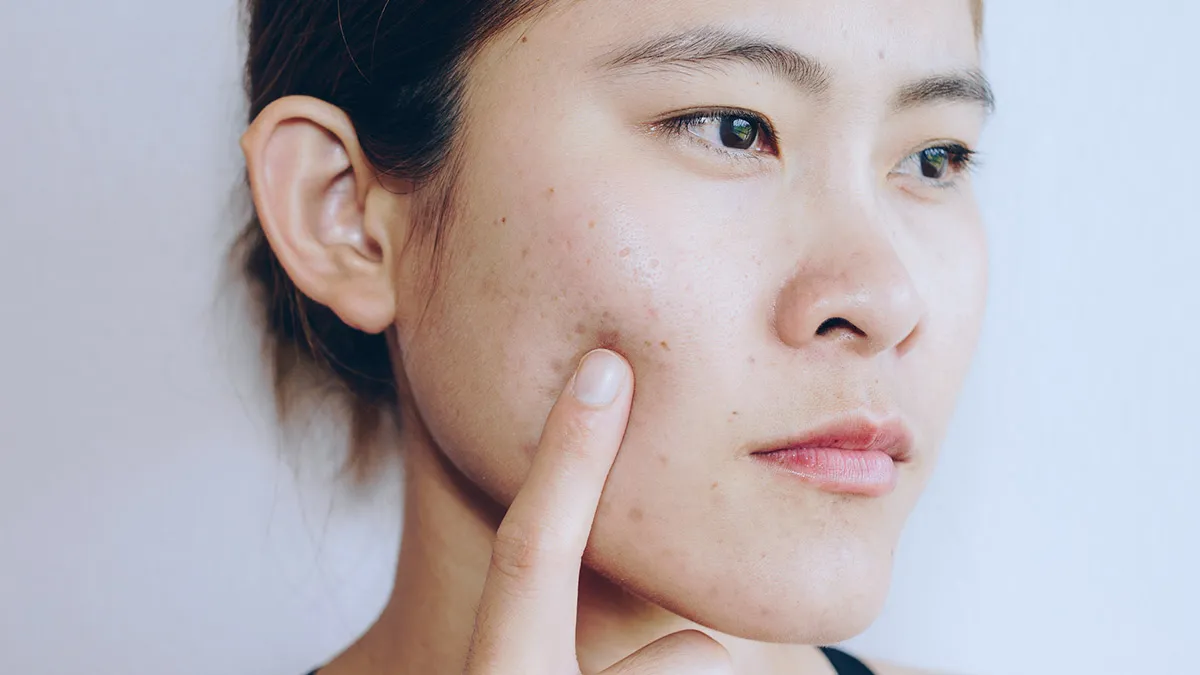
Skin tags usually appear in areas where skin rubs together, such as the neck, armpits, eyelids, under the breasts, groin, inner thighs, and around the waistband.
Many people try removing skin tags at home using thread, scissors, freezing kits, or online remedies. While some methods may work on very small skin tags, DIY removal comes with real risks.
Infection, bleeding, and scarring are common problems, especially since skin tags are often located in areas exposed to friction and moisture. Another issue is that not every growth that looks like a skin tag actually is one, which is why proper assessment matters.
Skin tags near the eyes should never be removed at home. Professional skin tag removal in KL is quick, safe, and usually much simpler than people expect.
Most people are surprised by how simple skin tag removal actually is. There’s no hospital stay or general anaesthetic involved, and treatment is usually completed within 30 minutes.
At Imperial Clinic, the removal method depends on the size, location, and number of skin tags being treated.
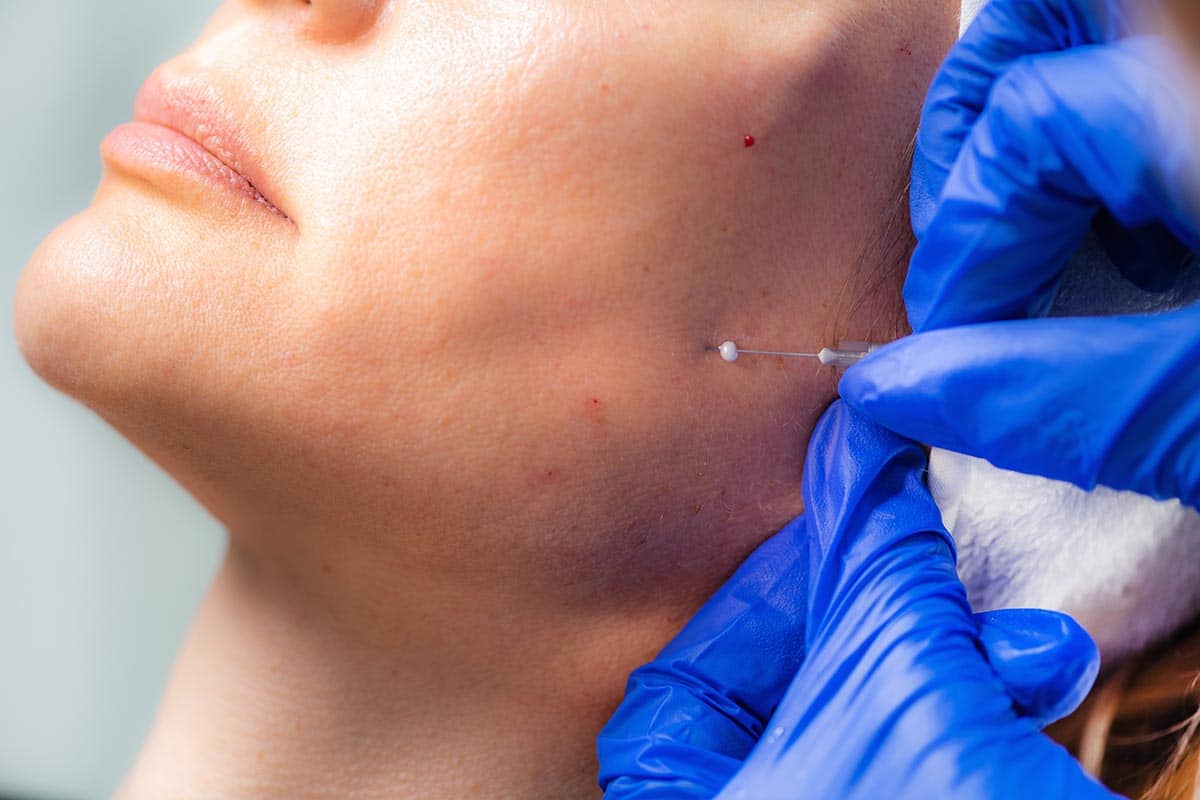
Excision is the most common option, where the area is numbed and the skin tag is removed quickly and precisely. Electrocautery uses a small electrical current to remove the tag while minimising bleeding, making it ideal for smaller skin tags. Cryotherapy freezes the skin tag with liquid nitrogen so it naturally falls off over the following days.
Your doctor will recommend the most suitable method after examining the skin tag properly during your appointment.
Several skin growths can look similar to skin tags, but they are not all treated the same way.
Skin tags are soft, flesh-coloured, and hang from the skin on a small stalk. Warts usually have a rough surface, while moles are often darker and more defined in shape. Sebaceous cysts sit under the skin, and dermatofibromas feel firmer and more embedded.
If a growth is changing in size, colour, or shape, it should always be checked by a doctor first. If you are unsure what you are looking at, a proper assessment is the safest option.
When you come into our clinic in Ampang the process is pretty relaxed. It’s not complicated.
First your doctor looks at what you’ve got. We confirm it’s a skin tag and not something else that warrants a different approach. We look at the size, the location, how many there are, and decide on the best method for your specific situation.
Then the area gets cleaned and the local anaesthetic goes in. That’s the bit people brace for, and as we mentioned it’s over in seconds. Once you’re numb, the removal itself is fast. A single small skin tag might take a minute. Multiple tags can usually all be done in the same session.
Depending on the method and location, there might be a small dressing. We go through what to expect over the next few days and what to watch out for, and then that’s genuinely it. You’re done.
Most people go straight back to work or their normal day after. There’s no dramatic recovery involved.
Honestly, the anticipation is worse than the procedure.
The local anaesthetic injection is the sharpest moment of the whole thing. It’s a brief sting, similar to having a blood test, and it passes in about five seconds. Once the area is numb, which happens almost immediately, you won’t feel the removal itself. Some people describe a vague sense of pressure or awareness that something is happening, but not pain.
After you leave, once the anaesthetic wears off, the area might feel tender and a little sore for a day or two. Nothing that regular paracetamol doesn’t sort out easily.
We genuinely hear the same thing from almost every patient after their first removal: “That was it? I was so nervous for nothing.”
People often brace themselves for something complicated and then leave surprised at how quick and simple it was. There are two main methods we use at Imperial Clinic and the right one depends entirely on your specific mole.

is the more thorough of the two. The area gets numbed, the mole is cut out completely using a scalpel, and the wound is closed with a few small stitches. It sounds more involved than it is. The whole thing takes a matter of minutes. This method removes the mole all the way down through the deeper skin layers, which is important when the tissue needs to be sent for pathology testing to confirm it's benign. Stitches come out at a follow-up appointment, usually around seven to fourteen days later depending on where the mole is.
works differently and is better suited to raised moles that have already been confirmed as benign. Rather than cutting down through all the layers, the mole is shaved off flush with the skin surface. No stitches needed, faster healing, and a very clean result. The trade-off is that it doesn't go as deep, so it's not the right method when full tissue removal is needed. Your doctor will look at your mole and tell you clearly which method is appropriate and why. You won't be pushed into anything without understanding the reasoning behind it.
Recovery after skin tag removal is usually very straightforward. The area may look slightly red or swollen at first, and a small scab can form before healing naturally within 1–2 weeks.
Keep the area clean and dry for the first few days, avoid picking at the scab, and minimise friction from clothing if possible.
Scarring is usually minimal when skin tags are removed professionally. The removed skin tag will not grow back, although new ones can still develop over time in people who are prone to them.
Imperial Clinic is a medical clinic, not a beauty centre. Every removal here is performed by an LCP-certified doctor and that distinction genuinely matters for something like this.
A beauty therapist or technician isn’t trained to assess skin growths before removal. They can’t tell you definitively whether what you have is a skin tag or something that needs a different approach. They’re also not trained to handle complications if something unexpected happens during removal.
Our doctors look at what you’ve got before they touch it. They choose the right method for the right location. They perform the procedure properly. And if something doesn’t look quite right, they’ll tell you that before proceeding.
We also see patients who’ve had bad experiences elsewhere, removal attempts that left scarring, infection from unsterile technique, or a growth removed that actually should have been biopsied first. None of that is inevitable, it just happens when the person doing the removal isn’t medically trained.
Skin tag removal in Ampang at Imperial Clinic is one of the most straightforward things we do. But straightforward doesn’t mean it doesn’t matter who does it.
We take mole removal seriously.
Unlike skin tags, moles should never be removed at home because you cannot accurately assess whether they are completely harmless or need further examination.
If a mole is removed without proper medical evaluation, the tissue is lost, which can prevent important analysis.
There are also real risks such as infection, scarring, and incomplete removal since moles often extend deeper into the skin.
Professional removal is quick, safe, and allows proper assessment before anything is done. It’s a simple procedure in clinic, and the risks of DIY removal are not worth taking.
Imperial Clinic is a medical clinic, and mole removal here is always performed by an LCP-certified doctor.
This matters because a doctor first examines the mole, decides the safest and most appropriate removal method, and can send tissue for lab analysis if needed. In some cases, a doctor may even advise against immediate removal if further assessment is required.
We’ve also seen patients who previously had moles removed elsewhere without proper medical evaluation, sometimes resulting in scarring or missed concerns that should have been checked first.
Our mole removal clinic in KL focuses on safety, proper diagnosis, and simple, effective treatment—without unnecessary risk or complications.
Quick removal of one skin tag with precise, safe treatment by a doctor. Ideal for isolated concerns.
Suitable for multiple small skin tags treated in one session with efficient, minimally invasive methods.
Designed for larger clusters of skin tags, offering complete removal in a single appointment.
Customized treatment plan based on the number, size, and location of skin tags for best results.
Final pricing depends on size, location, and removal method. We give you a clear number after the assessment, before anything starts. No surprises.
Skin tags are common, harmless, but often annoying—especially when they catch on clothing or appear in visible areas.
The good news is, skin tag removal is quick and simple. Most treatments take less time than a lunch break, and many cases can be treated the same day after a short consultation.
Whether it’s a single tag or several, we’ll examine them properly, explain your options clearly, and give you a transparent price before anything starts.
Most people who finally come in say the same thing: they wish they had done it sooner.
Here’s the thing about skin tags. They’re one of those problems people live with for years even though fixing them takes less time than a lunch break. They’re not dangerous, you know that. But they’re annoying. They snag on things. They sit in spots you’d rather they didn’t. And sometimes that’s enough.
If you’ve been thinking about skin tag removal in KL for a while now, whether it’s one that’s been catching on your necklace for two years or a handful that have accumulated over time, just come in. We’ll take a proper look, tell you what the options are, and give you a clear price. If you want to go ahead we can often do it the same day.
It’s genuinely one of the quickest things we deal with. And almost everyone who finally comes in wonders why they waited so long.
Monday – Saturday
10:00 Am – 10:00Pm