
Urinary leakage can affect confidence, daily activities, exercise, sleep and intimate wellbeing. Although it is common, leaking urine is not something you have to ignore or simply accept.
Imperial Clinic KL provides private consultations for women seeking urinary incontinence treatment in Kuala Lumpur.
Our doctors can assess bladder leakage, discuss possible causes and explain appropriate treatment or referral options. Depending on your symptoms, care may include pelvic floor support, lifestyle guidance, medical investigation, bladder management or discussion of non-surgical treatment options.
If you are searching for urinary incontinence treatment KL, bladder leakage treatment KL, incontinence therapy KL or an Emsella KL consultation, Imperial Clinic provides a professional and discreet setting near Ampang and KLCC.
Book a confidential urinary health consultation today.
Urinary incontinence means involuntary leakage of urine. It can happen occasionally or regularly and may range from a few drops to more significant leakage.
Common symptoms may include:
Leakage when coughing or sneezing
Leakage during exercise
Sudden urgency before reaching the toilet
Frequent urination
Waking several times at night to urinate
Difficulty controlling the bladder
Leakage after childbirth
Leakage during menopause
Leakage after pelvic surgery
Reduced confidence because of bladder symptoms
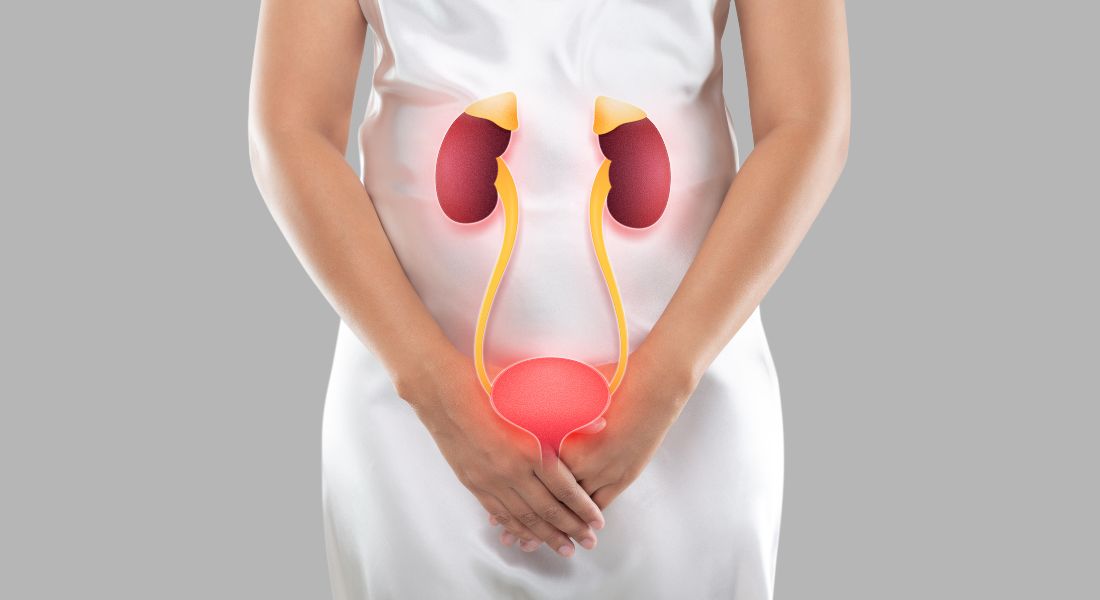
Urinary leakage can have different causes. It may be associated with pelvic floor muscle weakness, pregnancy, childbirth, menopause, bladder irritation, medication, infection, neurological conditions or other health factors.
A proper assessment is important because different types of incontinence may require different approaches.
Urge Urinary Incontinence
Urge incontinence involves a sudden, strong need to urinate that may be difficult to control before reaching the bathroom.
Mixed Urinary Incontinence
Some women experience both stress-related leakage and urgency symptoms.
Stress Urinary Incontinence
Stress incontinence may cause leakage when pressure is placed on the bladder, such as during:
Coughing
Sneezing
Laughing
Running
Jumping
Lifting
Exercising
Urinary incontinence can be associated with:
Pregnancy
Vaginal childbirth
Menopause
Pelvic floor weakness
Weight changes
Constipation
Recurrent urinary infections
Bladder irritation
Pelvic surgery
Neurological conditions
Diabetes
Certain medications
Age-related changes
Pelvic organ prolapse
If you have diabetes, high blood pressure or another long-term condition, explore our Chronic Disease Management service in Kuala Lumpur.
You may be asked to keep a bladder diary or provide information about your daily symptoms.
Depending on your symptoms, the doctor may recommend urine testing, blood testing, further assessment or referral.
For laboratory testing, explore our Blood Test and Preventive Screening service in KL.
During a consultation, the doctor may discuss:
When the leakage started
How often it occurs
Activities that trigger it
Urgency and frequency
Night-time urination
Pregnancy and childbirth history
Menopause status
Previous pelvic procedures
Medication
Fluid and caffeine intake
Urinary pain or burning
Previous infections
Your treatment goals
Treatment depends on the type and cause of urinary leakage.
The doctor may discuss:
Pelvic floor muscle training
Bladder training
Fluid and caffeine management
Weight-related health support
Constipation management
Medication review
Treatment for urinary infection
Monitoring and follow-up
Specialist referral
Device-based pelvic floor therapy, where appropriate
Pelvic floor exercises should be performed correctly. Some women may need guidance from a trained pelvic floor physiotherapist, particularly if symptoms are persistent or complex.
The treatment that is appropriate for one person may not be suitable for another.
Emsella is a branded device associated with electromagnetic pelvic floor stimulation. It is designed to create repeated pelvic floor muscle contractions while the patient remains seated.
If Emsella treatment is available at Imperial Clinic KL, the doctor should first assess whether it may be appropriate for your symptoms.
The exact device being used
The intended medical indication
Treatment duration
Recommended number of sessions
Potential benefits
Possible risks
Contraindications
Alternative treatment options
Current pricing
Emsella is not a guaranteed cure for urinary incontinence, and results may vary. It may not be suitable for every type of bladder leakage.
Are pregnant
Have an implanted electronic device
Have metal implants
Have recently undergone surgery
Have an active infection
Have unexplained bleeding
Have a significant medical condition
Are unsure whether the treatment is safe for you
The exact eligibility requirements depend on the device and the doctor’s assessment.
A urinary incontinence consultation may be suitable for women who:
Leak urine when coughing or sneezing
Experience leakage while exercising
Have urgency that is difficult to control
Notice changes after childbirth
Experience bladder symptoms
during menopause
Avoid social activities because of leakage
Use pads regularly because of bladder symptoms
Have concerns after pelvic surgery
Want to discuss pelvic floor treatment
Are unsure which treatment is appropriate
You do not need to wait until symptoms become severe before seeking medical advice.


Contact a doctor promptly if urinary leakage is associated with:
Pain during urination
Blood in the urine
Fever or chills
Severe lower abdominal pain
Back or side pain
New weakness or numbness
Sudden loss of bladder control
Difficulty passing urine
Recurrent urinary infections
Pregnancy
Unusual vaginal bleeding
New vaginal discharge or odour
These symptoms may require medical assessment before any incontinence therapy is considered.
More areas than most people realise when they first come in for a consultation.
Discuss your symptoms, concerns and treatment goals with the doctor.
The doctor reviews your history and considers whether the symptoms suggest stress, urge, mixed or another form of incontinence.
The doctor may discuss pelvic floor care, bladder management, testing, device-based therapy or referral.
If a treatment is suitable, the clinic explains the process and follow-up requirements.
Follow-up may be recommended to discuss changes in symptoms and whether additional care is required.
Bladder leakage may affect confidence, relationships and sexual wellbeing.
Some women also experience vaginal dryness, discomfort or concerns about changes after childbirth or menopause. You can explore our Vaginal Tightening and Intimate Health consultation or Hormone Therapy service in Kuala Lumpur.
These concerns should be assessed individually. Do not assume that one procedure will address every pelvic or intimate health symptom.
Private Women’s Health Care
Discuss bladder leakage and intimate health concerns in a discreet clinical environment.
Doctor-Led Assessment
Treatment is considered only after reviewing your symptoms and medical history.
Personalised Treatment Planning
The doctor can discuss conservative care, testing, therapy or referral depending on your needs.
Convenient Ampang Location
The clinic is accessible from Ampang, KLCC and surrounding areas.
Broader Women’s Health Support
Imperial Clinic KL can also discuss vaginal health, hormone concerns, blood testing, chronic disease care and general illness.
For general medical symptoms, visit our General Illness and Panel Doctor service in Ampang.
Urinary incontinence is involuntary urine leakage. It may happen with coughing, exercise, urgency or other bladder symptoms.
Treatment depends on the type and cause. Options may include pelvic floor training, bladder management, medication, testing, device-based therapy or referral.
No. Suitability depends on your symptoms, medical history, pregnancy status, implants, previous procedures and the exact device protocol.
No. Results vary and treatment may not be suitable for every type of urinary incontinence.
Yes, pregnancy and childbirth may affect the pelvic floor and bladder control. A consultation can help determine the appropriate next step.
Hormonal and tissue changes during menopause may contribute to urinary or intimate symptoms. The doctor can discuss whether hormone assessment or another treatment is appropriate.
Not every patient requires testing. The doctor may recommend tests if symptoms suggest infection, diabetes or another condition.
The number of sessions depends on the device protocol and medical assessment. Confirm the schedule with Imperial Clinic KL before starting treatment.
Seek prompt medical care for blood in the urine, severe pain, fever, inability to pass urine, sudden neurological symptoms or rapidly worsening bladder control.
You do not have to manage bladder leakage alone.
Imperial Clinic KL provides private consultations for women experiencing urinary incontinence, pelvic floor concerns and changes after childbirth or menopause.
Contact our team to discuss your symptoms and learn which assessment or treatment options may be appropriate.
Imperial Clinic KL
Lot L1.07(A), First Floor, The Grange @ AMPWALK
218, Jalan Ampang, 50450 Kuala Lumpur
WhatsApp: +60 19 560 4625
Phone: +60 3-2181 3215
Opening Hours: Monday to Saturday, 10:00 AM to 10:00 PM

Monday – Saturday
10:00 Am – 10:00Pm